
Interior Design Tips for a Beautiful, Balanced Home
Edmonton Interior Design Tips for a Beautiful, Balanced Home
There’s a particular moment that happens during a design consultation. I walk into a home, look around, and begin to see connections the homeowner has stopped seeing.
There may be a beautiful chair tucked into the wrong corner. A piece of art that deserves more attention. A rug that almost works with the room but needs something to connect it to everything around it. Sometimes there’s simply too much in the space. Other times, the room feels unfinished, although it can be difficult to say exactly why.
As both a painter and color design specialist at Walls Revived, I rarely think creating a more beautiful interior should begin by replacing everything you own. I prefer to start with what’s already there. The interesting part is discovering what deserves to stay, what needs to move, what should disappear, and what single element might bring everything together.
A well-designed room doesn’t necessarily contain more beautiful things.
It allows the right things to belong together.
Begin With a Fresh Set of Eyes
We become remarkably accustomed to our own surroundings.
A chair has been beside the window for eight years because that’s where it was placed when we moved in. A collection of objects slowly accumulates on a coffee table. Artwork gets hung where there happened to be an empty nail.
Eventually, we stop seeing individual decisions. We see "the room."
One of the advantages of bringing someone new into the space is the lack of history with any of it.
I can look at a room and edit.
Sometimes that means removing pieces rather than adding them. Sometimes furniture needs to be rearranged so the room feels more balanced. An eclectic collection of furniture may need a grounding element, such as an area rug or a carefully selected wall color, to make the variety feel deliberate and not accidental.
The objective is not to make every object match. In fact, rooms that match too perfectly can feel strangely lifeless.
The goal is cohesion.
Find the Element That Grounds the Room
A room usually needs something that gives the eye a place to settle.
That might be a substantial area rug, an architectural feature, a stately piece of art, or the wall color itself.
Paint is particularly powerful because it surrounds everything else. The right color can make furniture that previously seemed unrelated suddenly feel connected. It can soften contrast, bring warmth to cooler materials, or create enough depth for lighter pieces to stand out.
This is why I never select color in isolation.
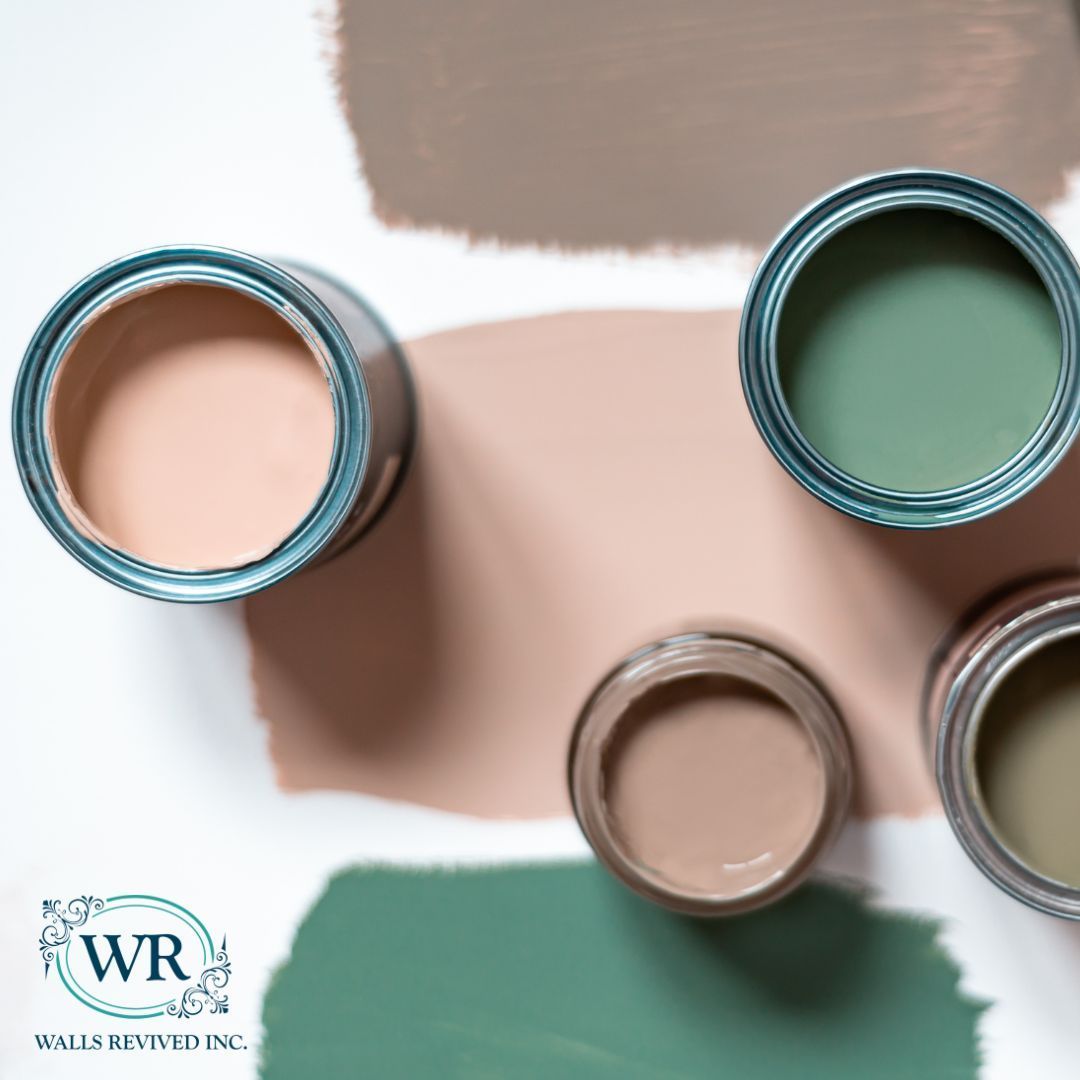
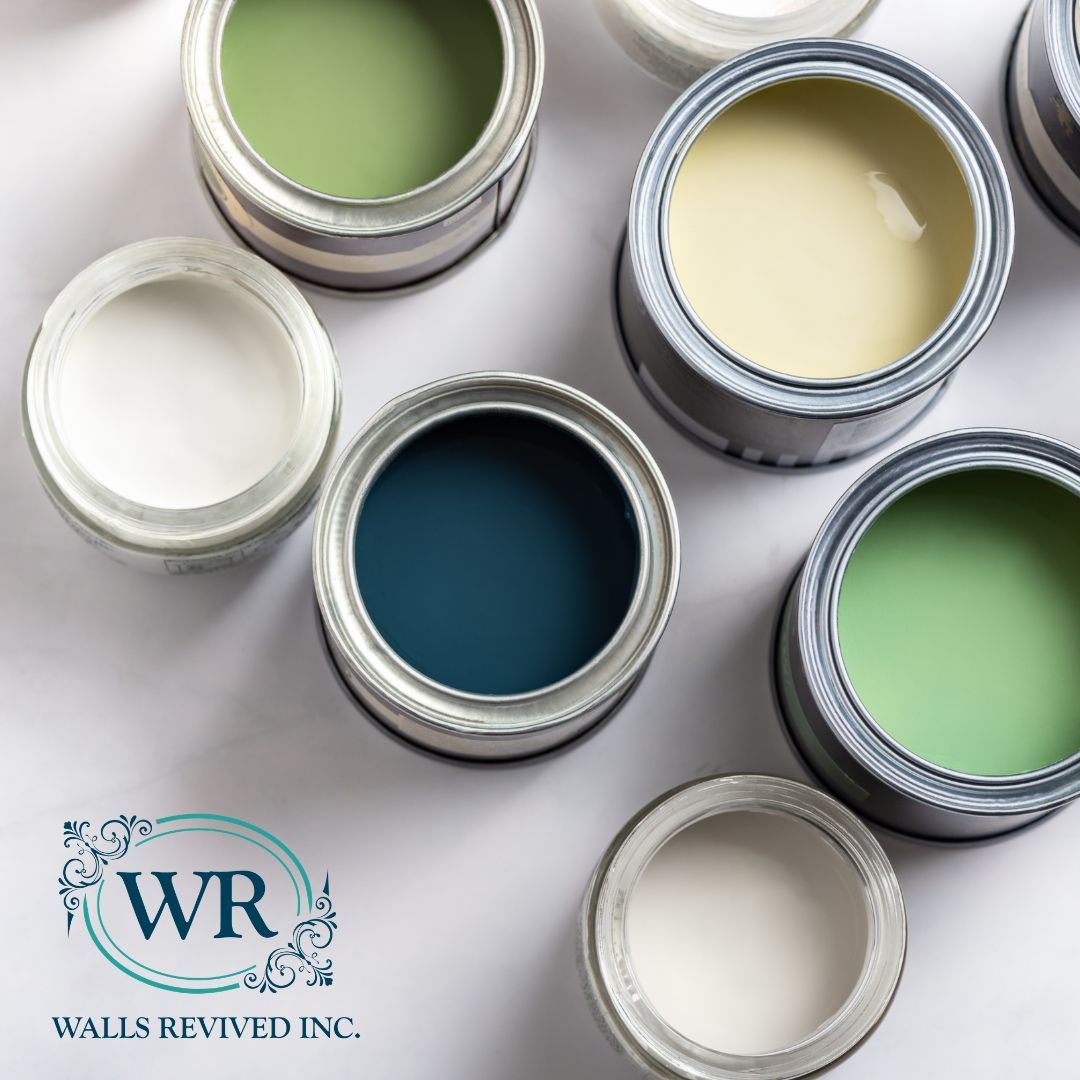
A paint chip may be lovely on its own, but that tells me very little about whether it belongs in your home. Even Benjamin Moore's guidance on choosing paint colors emphasizes exploring colors in relation to the space rather than treating a swatch as the final answer.
I want to see the flooring. The upholstery. The natural light. The artwork you love. The finishes that are staying. I want to understand which objects have meaning and which ones are only occupying space.
Color should respond to the room rather than being imposed upon it.
Styling Is Often an Exercise in Restraint
Consider something as simple as a coffee table.
Leave it completely empty and the room can feel unfinished. Cover every inch with books, candles, bowls, flowers, and decorative objects and suddenly there is nowhere for the eye to rest.
Somewhere between those extremes is balance.
That principle applies throughout an interior.
Not every corner needs something in it. Not every wall requires art. Not every beautiful object needs to be displayed simultaneously.
When I work with clients, I often begin by using what they already have. Once the room has been edited and rearranged, it becomes much easier to identify what is genuinely missing.
Perhaps we need one sculptural object on the table. A lamp with more visual weight. A piece of art that introduces a color we can repeat elsewhere.
Occasionally, an affordable new accessory is enough. Good design does not require every object to be precious or expensive. It requires knowing why an object belongs there.
When You Cannot Picture the Finished Room
Some people can look at a wallpaper sample and immediately imagine an entire room around it.
Many cannot.
There’s nothing wrong with that.
Visualization is a skill, and when you are standing inside your own home, surrounded by everything you already own, imagining something entirely different can be extremely difficult.
This is where I start asking questions.
What are you attracted to?
Do you want your home to feel light and quiet, or warm and enveloping? Are you drawn to crisp white spaces, saturated colors, natural textures, traditional details, or something less defined?
I may even notice what you are wearing. Personal style can reveal preferences we have never consciously articulated about our homes.
From there, I often encourage clients to collect images. People call this a mood board, but I am less interested in creating a perfect presentation than understanding the instinct behind the choices. Publications such as Architectural Digest can be useful for gathering visual references, not because your home should replicate a magazine spread, but because seeing different interiors can help you identify what repeatedly catches your eye.
Show me the room you saved.
Then tell me why you saved it.
Was it the wallpaper? The softness? The contrast? The way the old furniture sits against a contemporary wall color?
That answer is often more valuable than the image itself.
A Whole Home Needs a Visual Thread
Designing one room gives us freedom. Designing several rooms introduces another consideration: flow.
I don’t believe every room should be painted the same color. Nor should every piece of furniture belong to one narrowly defined style.
But the rooms should acknowledge one another.
A color introduced in one space might appear quietly in another. Undertones can relate. Materials can repeat. One room may be dramatic while the adjoining space is restrained, yet something between them should make the transition feel intentional.
Without that thread, walking through a home can feel visually abrupt.
A bright yellow room followed immediately by a murky purple room might contain two individually interesting colors, but together they may feel as though they belong to different houses.
Cohesion is subtle. You often notice it most when it’s missing.
If You Are Afraid of Color, Start Small
One of the things I hear frequently is, "I'm afraid of color."
My answer is not to force color through the entire house.
Start with the powder room.
A powder room is almost made for experimentation. It is contained, small enough to be adventurous, and separate enough from the primary living areas that it can have its own personality.
Try the wallpaper you have been thinking about.
Use the deeper color you would never commit to in your living room.
Create something jewel-like and unexpected.
A small room can tolerate intensity beautifully. More importantly, it gives you an opportunity to discover how you actually feel living with color rather than just admiring it in photographs.
Your Home Should Look Collected, Not Manufactured
The interiors I find most compelling rarely look as though everything arrived on the same delivery truck.
They have layers.
Something old beside something new. A favorite piece that technically does not "match" but somehow belongs. Art collected over time. Furniture with history. Color that makes those different elements speak to one another.
When I come into an Edmonton home for a design and color consultation, I am not looking to erase that personality.
I am looking for it.
Sometimes the transformation comes from a new wall color or wallpaper. Sometimes we rearrange what is already there. Sometimes the most important decision is what we remove.
The finished room should still feel unmistakably like your home, only more resolved.
Because good design is not about filling a room with the right things. It’s about understanding which things were right all along.
If your rooms feel disconnected or you know something is missing but cannot quite see what it is, contact Walls Revived to arrange a design and color consultation. Together, we can find the thread that is already present in your home and use color, placement, and thoughtful editing to bring the entire space into focus.